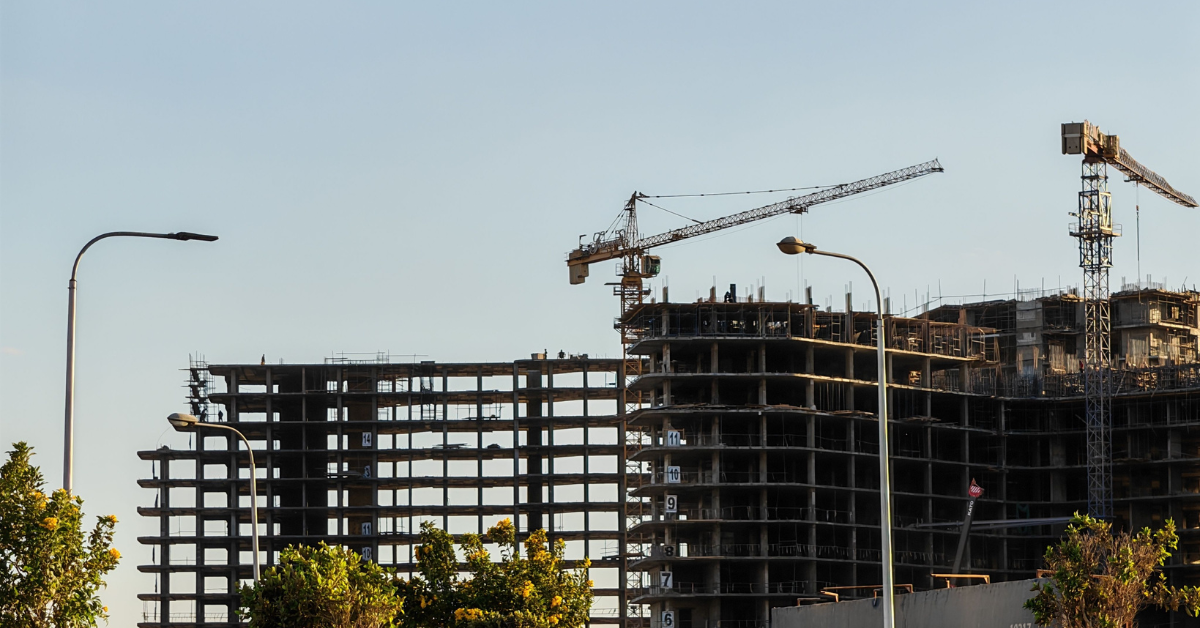

Buying an off-plan property in Dubai can give buyers access to new developments, flexible payment plans and a choice of units before completion. But a good-looking brochure and an attractive launch price are not enough to make a decision.
Before buying off-plan property in Dubai, buyers should check the developer, confirm the project’s registration, understand where their payments go and read the sale agreement carefully.
Here are some of the most important checks to do before committing to a property.
Check the developer’s track record
Start by researching the developer. Look at previous projects, completed buildings and developments that are still under construction. If possible, visit a completed project to see the quality of the building, common areas and amenities.
Pay attention to more than the number of projects a developer has launched. Check whether previous developments were completed, how long construction took and whether previous developments were completed, how long construction took and whether the finished properties match what buyers were promised.
A developer with a long history may offer useful reassurance, but experience alone does not guarantee that every project will proceed as planned.
Buyers should also confirm that the developer is licensed and registered with the relevant Dubai authorities. The Dubai Land Department provides official services and information for real estate developers and projects.
Confirm that the project is registered
Before paying a booking deposit, verify that the specific development is approved for off-plan sales.
Do not rely only on a sale brochure, online advertisement or the developer’s website. Ask for the project’s official details and check them through the Dubai Land Department’s approved channels.
The Dubai REST app provides information about registered developers and off-plan projects. Its project services can show details such as construction progress and escrow account information.
This check is important because a developer’s general reputation does not confirm that every project it markets has the required approvals.
Verify the project’s escrow account
An escrow account is an important safeguard when buying off-plan property in Dubai. Under Dubai’s escrow account law, payments for off-plan units are deposited into an account associated with the development.
The system is intended to regulate project funds and support the construction process. Dubai law also requires separate escrow accounts for separate projects and its authorised account. Avoid transferring money to an unrelated personal account or relying on payment details that you cannot independently verify.
Understand the payment plan
Off-plan developments often offer installment-based payment plans. These can help buyers spread payments over time, but the structure differs between projects.
Before singing, ask for a full payment schedule. Check the booking amount, instalments during construction, any payments linked to construction milestones and the amount due at handover.
Make sure you understand whether payments are linked to specific dates or stages of construction. Also check what happens if you miss a payment or cannot meet a future instalment.
Look beyond the advertised monthly or quarterly amount. Calculate the total commitment and confirm that you can meet it alongside your other financial obligations. If you are buying with a mortgage, speak to your lender about eligibility, financing conditions and when the loan can be used. Do not assume that mortgage approval or future financing is guaranteed.
Check construction progress and the expected handover date
The completion date matters, especially if you plan to move into the property or start earning rental income. Check the project’s reported construction progress through the Dubai REST app or other relevant DLD services. Compare the latest available information with the handover date stated in your sale agreement.
Ask the developer about the construction schedule and any applicable provisions for delays. Read the contract to understand how extensions, changes to the completion date and handover procedure are handled.
Remember that an expected handover date is not the same as a guaranteed date. If you are relying on rental income, allow for the possibility that the property may not be ready exactly when you expect.
Read the sale and purchase agreement
The sale and purchase agreement sets out the terms of the purchase. Do not sign it without understanding your obligations. Check the unit number, floor areas, specifications, payment plans and expected date of completion. Review the terms covering delays, cancellation, defaulting or any changes the developer would make.
Also ask about estimated service charges and other ownership costs. A property that fits your purchase budget may still carry significant ongoing expenses.
If anything is unclear, get independent legal advice before singing. Keep copies of the signed agreement, payment receipts and all written communication with the developer.
Is buying off-plan property in Dubai the right choice?
Off-plan property can suit buyers who have a longer investment horizon or want to purchase in a development before completion. However, the right decision depends on the project, the payment commitment and the buyer’s goals.
Before you commit to a development, ensure to verify the project through official channels, understand the payment plans and review the overall contract. Compare the purchase price with similar properties and consider the costs you will face after handover.
Looking to buy off-plan property in Dubai? An experienced property consultant can help you compare developments, understand the available options and organise the checks needed before you commit. Every project is different, so take the time to assess the details in whole and make sure it matches your requirements.