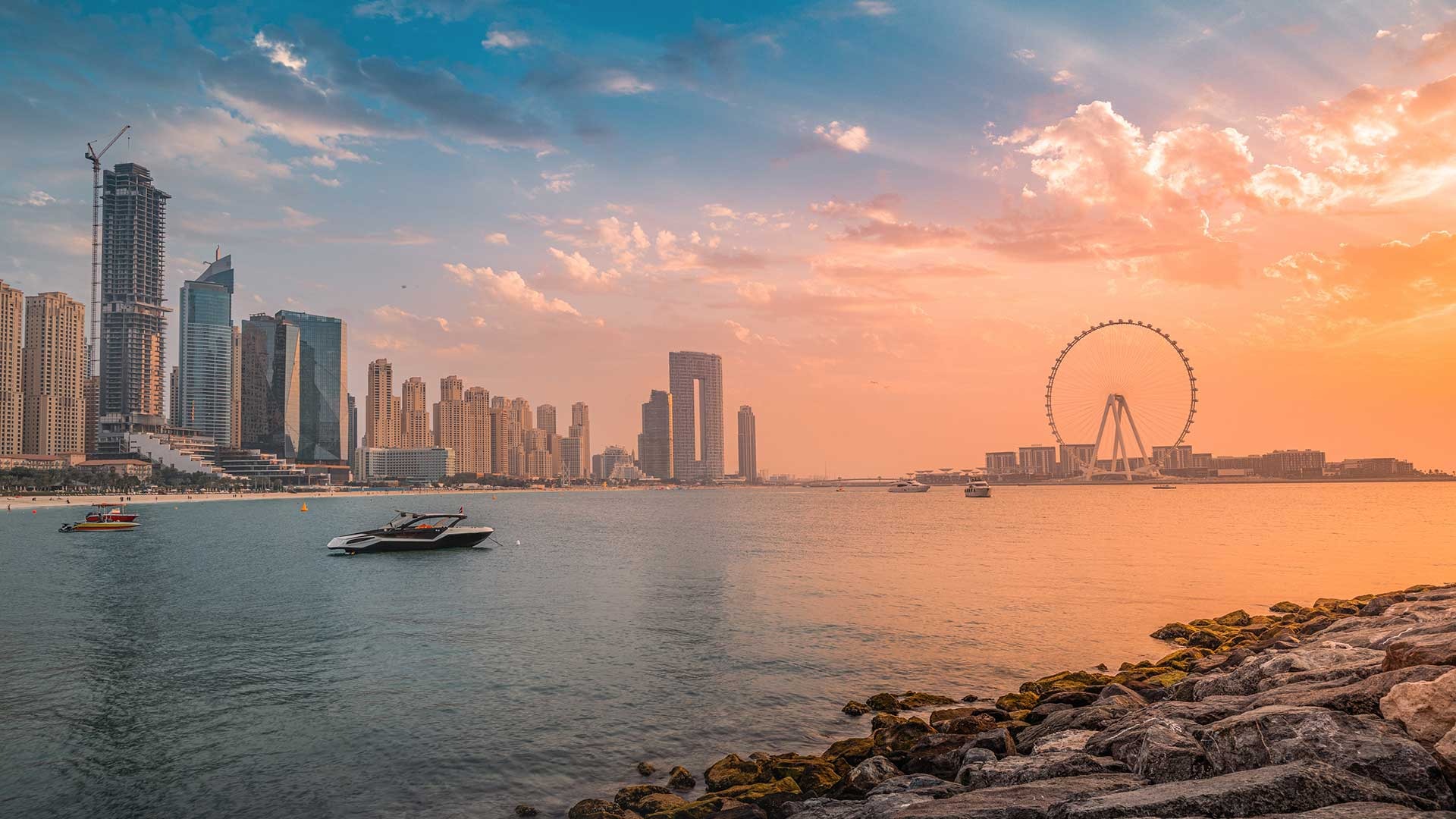

Dubai’s property market has long been thought to cool during summer months. But in Q3 2025, that assumption was turned upside down. As temperature and humidity soared, transaction volumes and prices in Dubai’s real estate sector kept climbing.
In this article, we explore how Dubai real estate defied the summer slowdown with strong Q3 performance — the drivers, data, risks, and what it means for buyers and investors going into Q4.
Why a “Summer Slowdown” Usually Happens
Before we dive into what changed, let’s revisit why real estate often slows in summer:
Weather & Holidays: Many residents travel; fewer decision-makers are active.
Seasonal Patterns: Historically, property markets see dips from July through September.
Budget & Strategy Pauses: Investors wait for Q4 launches or year-end deals.
Logistics & Inspections: Site visits, approvals, and paperwork often stall during hot months or vacation periods.
Given this backdrop, sustaining momentum in Q3 is no small feat.
Q3 2025 in Numbers: What the Data Shows
Residential & Commercial Growth
Residential transactions rose 22.7% YoY in Q3.
Meanwhile, commercial transaction value jumped 31% compared to the same period last year.
Off-plan deals accounted for nearly 70% of residential sales in Q3.
Apartments made up ~87% of transactions; in that segment 47,705 units were sold for AED 91.4 billion.
These figures underscore a market that didn’t just resist seasonal drag — it surged ahead.
Volume & Value Trends
July 2025 posted ~20,322 sales transactions totaling AED 65.1B.
The summer months—traditionally quieter—turned out to be among the busiest in recent memory.
In Q3, Dubai crossed the “residents becoming owners” threshold, with many renters shifting to purchase mode.
Luxury & High-Value Deals
Over 1,300 transactions in Q3 were above AED 10 million.
Noteworthy deals: a AED 350M villa in Jumeirah Asora Bay (off-plan), and AED 173.6M apartment at Aman Residences.
Luxury segments remained resilient, even as lower-tier apartments faced tougher competition.
Commercial & Land
Offices, retail, plots, and buildings all posted double-digit gains. Offices alone jumped ~45%.
Plot sales in August: 392 transactions, ~AED 8.9B.
Why Did Dubai Buck the Seasonality Trend?
So how did Dubai do what usually seems unlikely? Here are the key drivers:
1. Strong Off-Plan Demand & Flexible Payment Plans
Developers continued to launch new off-plan projects with attractive payment terms (e.g. 70/30, 80/20), lowering immediate upfront costs and drawing buyers even during summer.
Many buyers preferred new supply over resale, especially in emerging areas with growth potential. The dominance of off-plan sales (nearly 70%) shows this trend clearly.
2. End-User Demand & Resident Upgrades
A growing number of residents-turned-buyers shifted from renting to owning, especially as rental rates climbed.
Families and professionals seeking stability pushed for ready homes, especially in areas with completed infrastructure and community amenities.
3. International & Investor Confidence
Dubai continues to attract foreign capital thanks to:
Visa and residency incentives
Favorable tax regime
Strategic positioning as a global hub
Investors were willing to move even in hot summers, driven by long-term confidence rather than quick fixes.
4. Strategic Supply Management
Developers seemed cautious not to flood core zones too quickly. Many handovers occurred in emerging or suburban areas, reducing direct competition with prime resale markets.
New launches were aligned with demand rather than speculative overbuilding.
5. Macro & Economic Support
Dubai’s broader economic fundamentals remained solid:
GDP growth projections in UAE around 4.8 – 5%.
Inflation under control, interest rate environment relatively stable or expected to ease.
Ongoing infrastructure, urban development, and policy support.
These factors gave both domestic and foreign buyers confidence to act even in off-peak months.
Segment Performance: Apartments, Villas & Luxury
Apartments: Volume Up, Prices Moderated
Apartments accounted for ~87% of total units sold.
While volume rose sharply, price increases were more modest in many mature zones.
In some prime districts, apartment prices are plateauing after earlier exponential rises.
Villas & Townhouses: Scarcity Boosting Premium
Villa inventory remains tight; demand for detached homes continues strong.
Even with reduced sale counts for villas (some months down YoY in volume), price per sqft jumped significantly (e.g. ~15% YoY in August).
Prime villa communities (Dubai Hills, Palm, Jumeirah Golf Estates) posted double-digit growth.
Ultra-Luxury & High-value Deals
High-ticket units (AED 10M+) remained active — over 1,300 in Q3.
Buyers willing to pay for location, views, and exclusivity even in off months.
What This Means for Buyers & Investors
Prospective Buyers
Q3 demonstrates that timing needn’t deter action — summer is not necessarily a lull season anymore.
With more supply and competitive pricing in some segments, there may be better entry points in emerging neighborhoods.
For long-term buyers, getting in during “off-peak” can yield good negotiating leverage.
Investors & Yield Seekers
Rental yields remain attractive (6–8% in many segments) — strong demand underpins income potential.
Off-plan projects with flexible payment plans continue to appeal.
Commercial and land segments showing sturdy growth offers diversification beyond residential.
Watchpoints & Risks
Oversupply Risk in areas saturated with deliveries could put downward pressure on rents or values in mid-tier zones.
Price Corrections predicted by agencies like Fitch could materialize in late 2025 / 2026.
Interest Rate Sensitivity: If borrowing costs rise, some deals may stall.
Buyer Selectivity: As choices proliferate, buyers may become more value-conscious and demand quality over hype.
Balanced View: Strengths & Cautions
Strengths of Q3 Performance
Defied expectations — showed resilience.
Broad segment strength: apartments, villas, commercial, land.
Reinforced Dubai’s image as stable and desirable for real estate.
Attracted both investors and end-users, not just speculators.
Cautions
Luxury excess doesn’t always trickle down to affordable segments.
Some price growth may already reflect froth; sustainability is key.
Supply in 2025–2027 is massive — need demand to keep pace.
Global economic shocks, interest rate hikes, or regional instability could derail momentum.
Looking Ahead: Q4 2025 & Beyond
Normalization over Explosion: Expect growth to continue, but at a steadier pace; fewer months of 20%+ jumps.
Rent Stabilization: Rental growth likely to moderate, especially in apartment markets with increased supply.
Luxury Holding Steady: Prime property will resist downward pressure, albeit with slower upsides.
Policy & Financing: Incentives, visa policies, and mortgage availability will be decisive.
Selective Investing: Emerging neighborhoods that combine infrastructure and affordability may be highest growth bets.
The narrative of a “summer slowdown” in real estate is undergoing a rewrite — at least in Dubai. In Q3 2025, Dubai real estate defied the seasonal dip with strong volumes, rising prices, diversified demand, and confident buyers.
That doesn’t mean the climb upward is without challenges — supply, rates, and macro factors are real guardrails. But for now, Dubai is proving its market is more mature, resilient, and adaptable than ever.