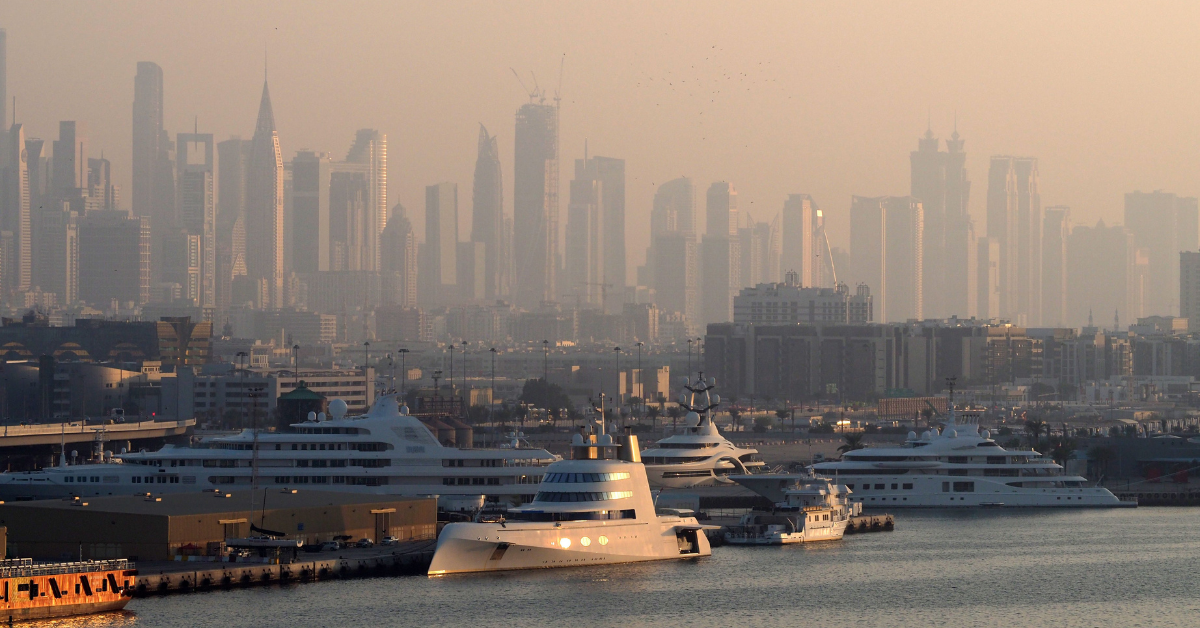

Dubai's property market has shown remarkable resilience over the past few years. Strong demand, population growth, and continued investment have helped the sector maintain its momentum through changing market conditions. However, real estate does not operate in isolation. The wider economic and regional environment also plays an important role.
Recent reports of a potential agreement between the United States and Iran have brought renewed optimism to the region. While the discussions are primarily political and economic in nature, their impact could extend much further. For Dubai, greater regional stability can create positive conditions that support long-term growth across many sectors, including real estate.
One of the biggest drivers of any property market is confidence. People are more likely to buy homes, invest in property, or expand businesses when they feel confident about the future. Reduced regional tensions can help strengthen that confidence. Investors often prefer stable environments where they can plan for the long term, and Dubai has consistently positioned itself as one of the region's most reliable destinations for investment.
Trade is another important factor. Dubai's economy is built on connectivity. The city serves as a major hub for logistics, aviation, tourism, and international business. Any improvement in regional trade routes and shipping conditions can support economic activity across the UAE. A stronger economy creates jobs, attracts talent, and encourages businesses to grow. In turn, this increases demand for homes, offices, and commercial space.
The construction sector could also benefit. Regional stability helps improve supply chain efficiency and reduces uncertainty around the movement of goods and materials. For developers, this can mean more predictable project timelines and smoother delivery of new communities. For buyers and investors, it creates greater confidence in the market's ability to continue meeting demand.
What makes Dubai unique is its ability to turn global and regional opportunities into long-term growth. The city continues to invest in infrastructure, attract international businesses, and introduce policies that support both residents and investors. These foundations remain in place regardless of short-term market events.
For property buyers and investors, moments like these are a reminder that real estate is influenced by more than just prices and locations. Economic trends, government initiatives, financing options, and regional developments all contribute to the bigger picture. Understanding these factors can help buyers make more informed decisions and identify opportunities as markets evolve.
As Dubai continues its growth journey, improving regional stability could provide another positive tailwind for the property market. It may not directly change property values overnight, but it strengthens many of the conditions that support long-term demand and sustainable growth.
For a city built on ambition, connectivity, and forward thinking, that is a positive development for residents, businesses, and investors alike.